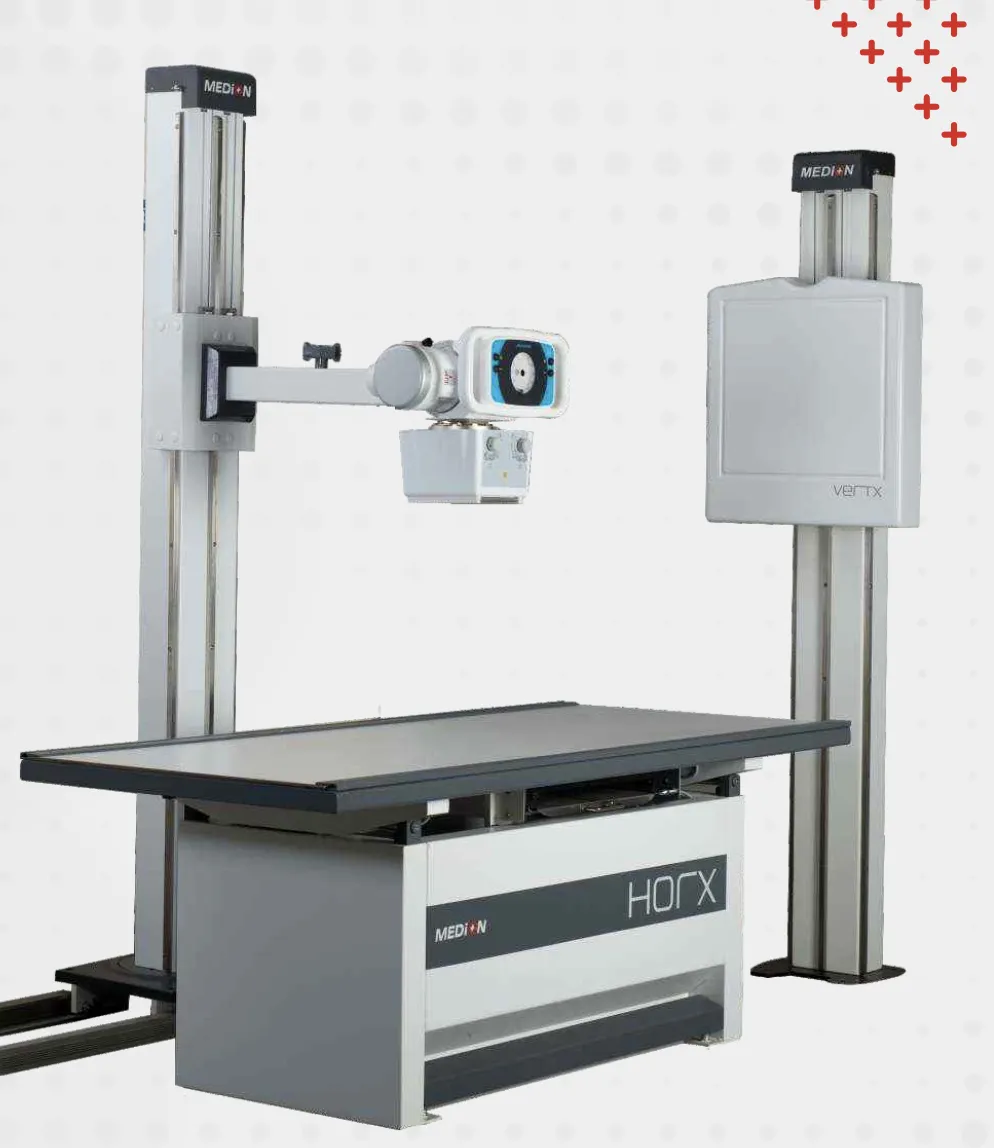
Running a modern medical facility with diagnostic imaging equipment like fixed X-ray machines, computed tomography (CT) scanners, and mobile C-Arms requires strict adherence to safety standards. In India, these guidelines are governed by the Atomic Energy Regulatory Board (AERB).
Obtaining an AERB license ensures that your equipment is safe for patients, radiology technicians, and doctors. Failing to secure certification can lead to regulatory penalties and closure of your facility. Below is a comprehensive guide to understanding and achieving AERB compliance.
What is the AERB e-LORA Portal?
The AERB conducts all licensing, registration, and regulation processes online through the e-LORA (electronic Licensing of Radiation Applications) portal. As a hospital or diagnostic center, your first step is to register your institution on this portal before purchasing or installing any radiography equipment.
Key Steps to Achieve Compliance
- Site Planning & Layout Approval: The design of your X-ray room must prevent radiation leakage. This involves thick concrete walls (usually 9 inches of brick or equivalent lead lining) and appropriate positioning of the control console.
- Sourcing from Authorized Dealers: Ensure you purchase equipment from an AERB-authorized supplier, like Shriram Inframed, who can provide genuine Type-Approved equipment.
- Appointment of RSO: You must designate a qualified Radiation Safety Officer (RSO) who has passed the relevant AERB safety certifications.
- Quality Assurance (QA) Testing: Periodic QA testing must be performed by AERB-accredited calibration laboratories to ensure the radiation dose levels are within safe limits.
Conclusion
Securing AERB approval protects your staff and patients while highlighting your commitment to clinical excellence. At Shriram Inframed, we guide our clients through every step—from e-LORA registration and QA testing to final licensing. Contact us today to set up your regulatory-compliant imaging department.