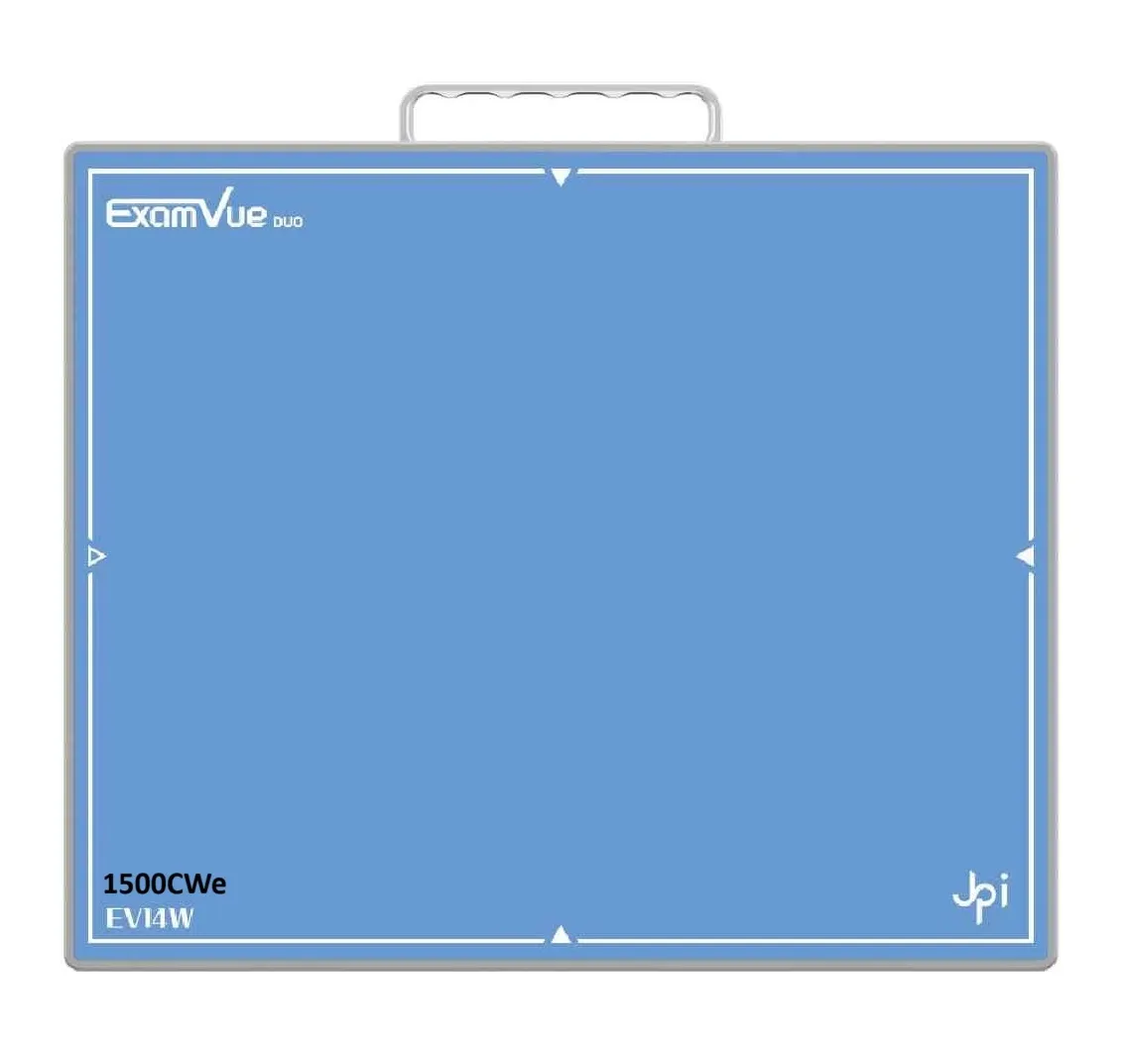
In recent years, the medical imaging industry has witnessed a massive shift away from traditional film-based radiography. If your clinic or hospital is still using analog X-ray rooms or computed radiography (CR) cassettes, you may be falling behind in both workflow efficiency and diagnostic accuracy.
Here is a detailed comparison of analog and digital radiography (DR) systems, and why retrofitting your current generator with a digital flat-panel detector is the smartest upgrade you can make.
Comparison Matrix: Analog vs. Digital
| Feature | Analog/CR Radiography | Digital Radiography (DR) |
|---|---|---|
| Image Processing Time | 3 to 10 minutes (requiring developer chemical processing or cassette scanning) | Instantaneous (2 to 3 seconds directly on the computer screen) |
| Radiation Dose | Higher exposure required to produce usable contrast on film | Up to 50% lower radiation dose due to high DQE sensors |
| Storage and Retrieval | Physical file cabinets (prone to deterioration and loss) | Seamless digital storage on cloud PACS / HIS platforms |
| Image Adjustments | Impossible. Errors require a complete patient re-exposure. | Dynamic brightness, contrast, and digital zoom features |
The Power of Retrofitting
Upgrading to digital doesn't mean purchasing a brand-new fixed X-ray machine. With a Retrofit Flat Panel Detector, you can swap out the cassette tray under your existing table for a digital panel. This immediately turns your analog system into a high-performance DR unit, saving your facility millions in equipment capital.
Upgrade Your Diagnostics
Digital Radiography is a necessity for high-volume hospitals looking to maximize throughput and improve patient comfort. Ready to transition? Speak to Shriram Inframed's engineers to evaluate your current setup and find the right digital panel upgrade.